Résumé PubMed complet
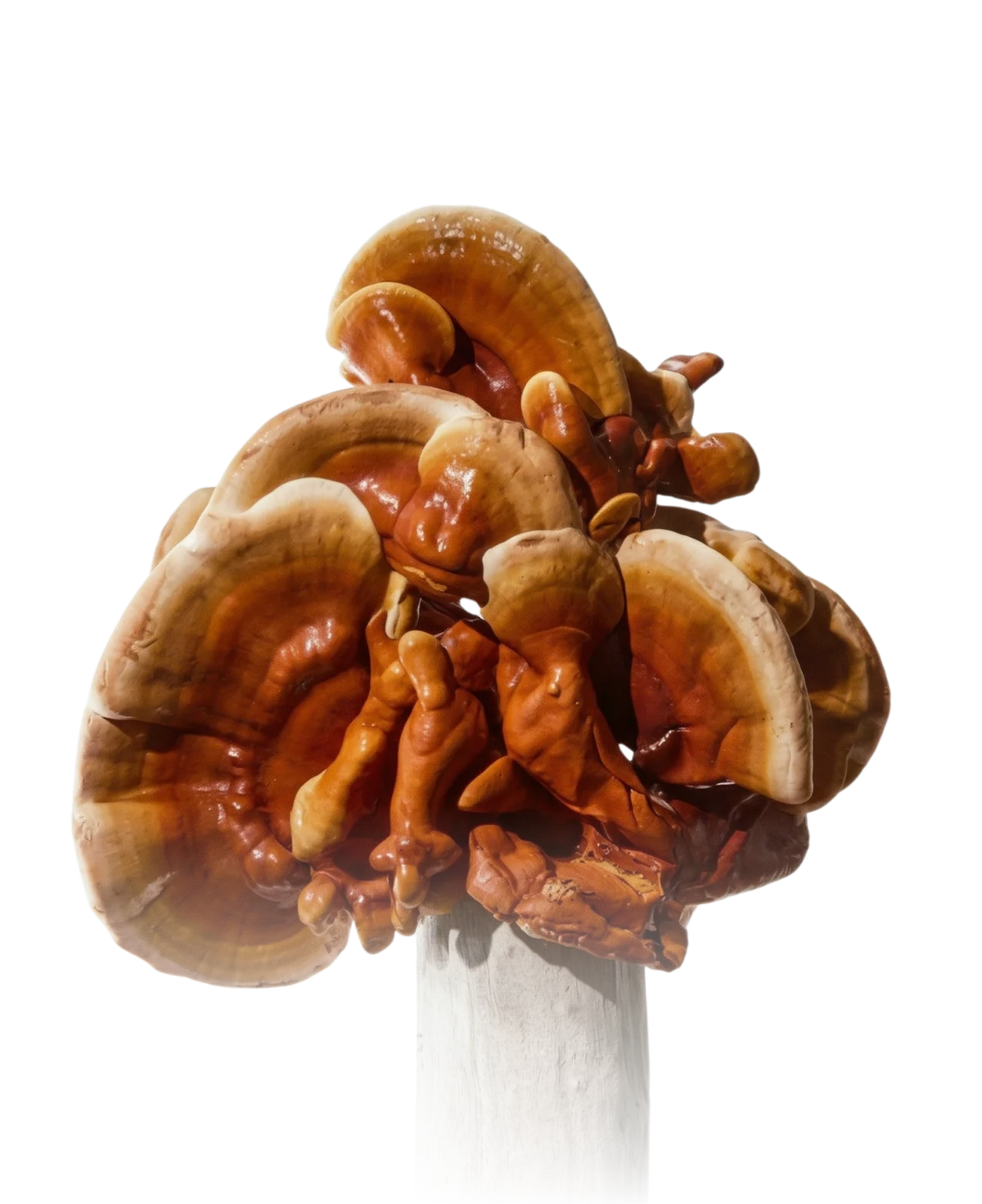
Myocardial ischemic injury is characterized by impaired energy metabolism and oxidative stress, which contribute to cardiac dysfunction and disease progression. Ganoderma lucidum polysaccharide (GLP), a major bioactive component of Ganoderma lucidum, exhibits various pharmacological activities; however, its protective effects against myocardial ischemic injury and underlying mechanisms remain unclear. This study investigated the effects of GLP against isoproterenol (ISO)-induced myocardial ischemic injury and its involvement in metabolic regulation and oxidative stress. A mouse myocardial ischemic injury model was established by subcutaneous injection of ISO (2 mg/kg/day) for 11days. Mice were randomly divided into normal control, model, GLP treatment groups with GLP administered orally at 50 and 100 mg/kg/day, and at 50 mg/kg/day by intraperitoneal injection. An ISO-induced injury model in vitro was established using AC16 cardiomyocytes, which were pretreated with GLP (0.25 ~ 1.00 µg/mL) followed by ISO exposure (40 µM, 24 h). GLP significantly alleviated ISO-induced myocardial injury, reduced cardiac hypertrophy, improved histopathological alterations, and decreased serum AST and LDH activities in mice. Similar protective effects were observed in AC16 cells. Moreover, GLP restored myocardial energy metabolic homeostasis, by improving ATP, phosphocreatine, creatine, and total adenine nucleotides levels, while reducing cAMP accumulation. GLP also alleviated oxidative stress by decreasing malondialdehyde level and enhancing total superoxide dismutase activity. Furthermore, GLP increased the expression of AMPK-α2, phosphorylated AMPK-α2, PGC-1α, and PPAR-α in myocardial tissue. These findings suggest that GLP protects against ISO-induced myocardial ischemic injury by improving myocardial energy metabolism and reducing oxidative stress, with AMPK/PGC-1α/PPAR-α-related metabolic regulation potentially contributing to its cardioprotective effects.
Résumé dans la langue de publication · Anglais
Questions et réponses
- Quel type d’étude est-ce ?
- Cette publication est classée comme étude préclinique animale à partir de son indexation et de son résumé PubMed.
- L’étude apporte-t-elle des données chez l’humain ?
- Non. Le résumé PubMed ne décrit pas un essai mené chez l’humain. Les résultats restent précliniques.
- Cette publication teste-t-elle un produit SporeLife ?
- Non. Elle porte sur Reishi ou sur l’un de ses composés ou préparations. La formulation, la dose et les contrôles peuvent différer de ceux d’un produit SporeLife.
- Que peut-on en conclure ?
- Cette étude porte sur un modèle animal. Elle aide à explorer un mécanisme, mais ne permet pas de conclure à un effet chez l’humain.
Source
Auteurs : Zhang XT, Hu MQ, Wu SY, Feng JY, Xu X, Gan ZY, Gao JP
Revue : Journal of natural medicines
Publication : 2026-10-05 · PMID 42830376 · DOI 10.1007/s11418-026-02093-8
Consulter la publication sur PubMed ↗